Introduction
Reiki is a holistic healing practice that came from Japan centuries ago. It is based upon the concept that there is a universal life force energy that streams through all living beings, and by harnessing this energy, one can promote physical, mental, and spiritual recovery. The history of Reiki is a captivating journey that covers ancient origins to contemporary practice. In this article, we will check out the remarkable history of Reiki, including its origins, advancement gradually, and its importance in today's world.
The Origins of Reiki: Ancient Knowledge Unveiled
The Ancient Roots of Energy Healing
Energy healing practices have actually been around for thousands of years in numerous cultures all over the https://rentry.co/6vpxt world. From conventional Chinese medication to Ayurveda in India, the concept of utilizing energy to heal the body has been a fundamental part of ancient healing systems. Reiki draws inspiration from these age-old practices and includes them into a special recovery modality.
Mikao Usui: The Founder of Reiki
The story of Reiki begins with Mikao Usui, a Japanese Buddhist monk who resided in the late 19th century. Usui embarked on a quest to discover the tricks of healing through energy after experiencing a spiritual awakening. Legend has it that he climbed up Mount Kurama looking for enlightenment and received magnificent inspiration through meditation and fasting. This revelation led him to establish what we now know as Reiki.
The Birth of Reiki Ryoho
Usui's teachings were later formalized into a system known as Reiki Ryoho, which translates to "Reiki Recovery Approach." He developed the Usui Reiki Ryoho Gakkai, an organization devoted to spreading his teachings and training others in the art of energy healing. Usui's trainees went on to become teachers themselves, leading to the fast spread of Reiki throughout Japan and ultimately to the Western world.

The Evolution of Reiki: From East to West
Reiki Goes Global
Reiki first gained acknowledgment outside of Japan in the early 20th century when Hawayo Takata, a Japanese-American female, introduced it to the United States. Takata underwent Reiki training in Japan and became one of the first Reiki Masters to bring this healing practice to the Western world. Through her efforts, Reiki gained popularity and started to bring in followers from all walks of life.
The Integration of Eastern and Western Healing Traditions
As Reiki spread out across the globe, it went through some modifications to adjust to various cultural contexts. In the West, Reiki was typically integrated with other holistic recovery modalities such as aromatherapy, crystal recovery, and acupuncture. This combination created a special blend of Eastern and Western recovery customs, making Reiki accessible to a wider audience.
The Development of Reiki Lineages
As more people became interested in finding out and practicing Reiki, different lineages or branches of Reiki emerged. Each family tree has its own set of teachings and strategies, passed down from Master to trainee. Some popular lineages consist of Usui Shiki Ryoho, Usui/Tibetan Reiki, Karuna Reiki, and Holy Fire ® Reiki. In spite of these variations, all lineages share the core principles and beliefs of utilizing universal energy for recovery purposes.
Unveiling the Secrets: The Practice of Reiki
Understanding Energy Healing
At the heart of Reiki is the belief that there is a universal life force energy that flows through every living being. This energy is understood by various names in various cultures - qi in Chinese medicine, prana in yoga approach, and ki or chi in Japanese traditions. By taking advantage of this universal energy, a qualified Reiki specialist can help balance the recipient's energy field Advanced Reiki Symbols and promote recovery on physical, emotional, and spiritual levels.

The 3 Pillars of Reiki
Reiki practice is based upon 3 core concepts or pillars: Gassho (meditation and prayer), Reiji-ho (intuitive healing), and Chiryo (hands-on recovery). These pillars form the foundation of Reiki practice and guide specialists in their healing journey. By incorporating these concepts into every day life, one can cultivate a sense of inner peace, consistency, and connection with the universal energy.
Reiki Hand Positions: The Art of Directing Energy
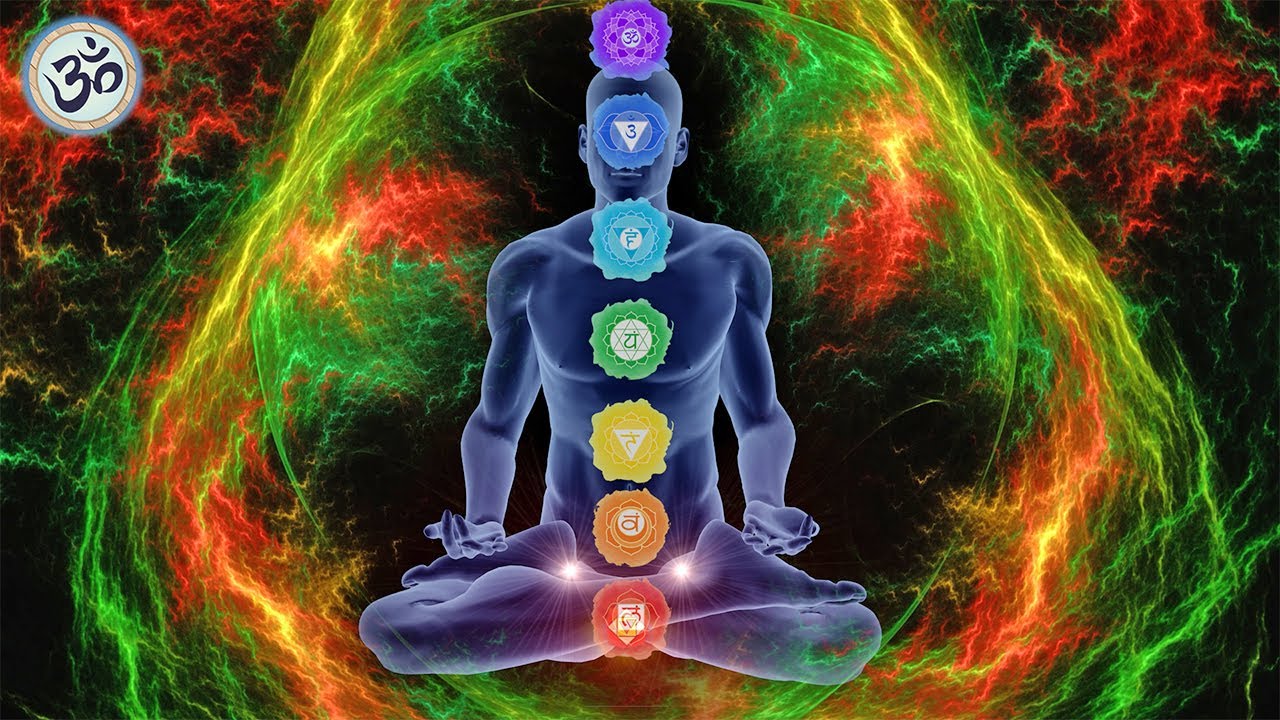
During a Reiki session, the practitioner uses specific hand positions to direct the universal energy into the recipient's body. These hand positions correspond to different energy centers or chakras in the body. By placing their hands lightly on or near these locations, the professional can assist bring back balance and consistency to the recipient's energy system.
Unlocking the Power: Reiki Symbols and Attunements
Symbols are an integral part of Reiki practice. They function as gateways to specific energies and assist enhance the healing procedure. Reiki professionals find out numerous signs through attunements - a spiritual initiation procedure conducted by a Reiki Master. These symbols are then used during healing sessions to magnify the flow of energy and produce wanted outcomes.
FAQs about Reiki
What is Reiki?Reiki is a holistic recovery practice that includes directing universal life force energy to promote physical, psychological, and spiritual wellness.
How does Reiki work?Reiki works by balancing the recipient's energy field, promoting relaxation, reducing tension, and supporting the body's natural recovery processes.
Can anybody find out Reiki?Yes, anyone can discover Reiki with proper training from a qualified Reiki Master. It is not limited to any particular age group or background.
Is Reiki a religious practice?No, Reiki is not related to any particular faith. It is a spiritual practice that focuses on connecting with universal energy.
Are there any scientific research studies on Reiki?Yes, there have been numerous scientific research studies conducted on Reiki, although more research is required to completely comprehend its mechanisms of action.
Can Reiki be used together with conventional medical treatments?Yes, Reiki is often utilized as a complementary therapy alongside conventional medical treatments to support the recovery procedure and improve total wellness.
Conclusion
The interesting history of Reiki takes us on a journey from ancient origins to contemporary practice. From its simple beginnings with Mikao Usui in Japan to its worldwide reach today, Reiki has evolved and adapted to meet the requirements of various cultures and individuals. Its core concepts of harnessing universal energy for recovery purposes remain unchanged, using a holistic method to wellness. Whether you are brand-new to Reiki or have been practicing for several years, the history of this ancient recovery art includes depth and implying to your individual journey with energy healing.